8 October 2026
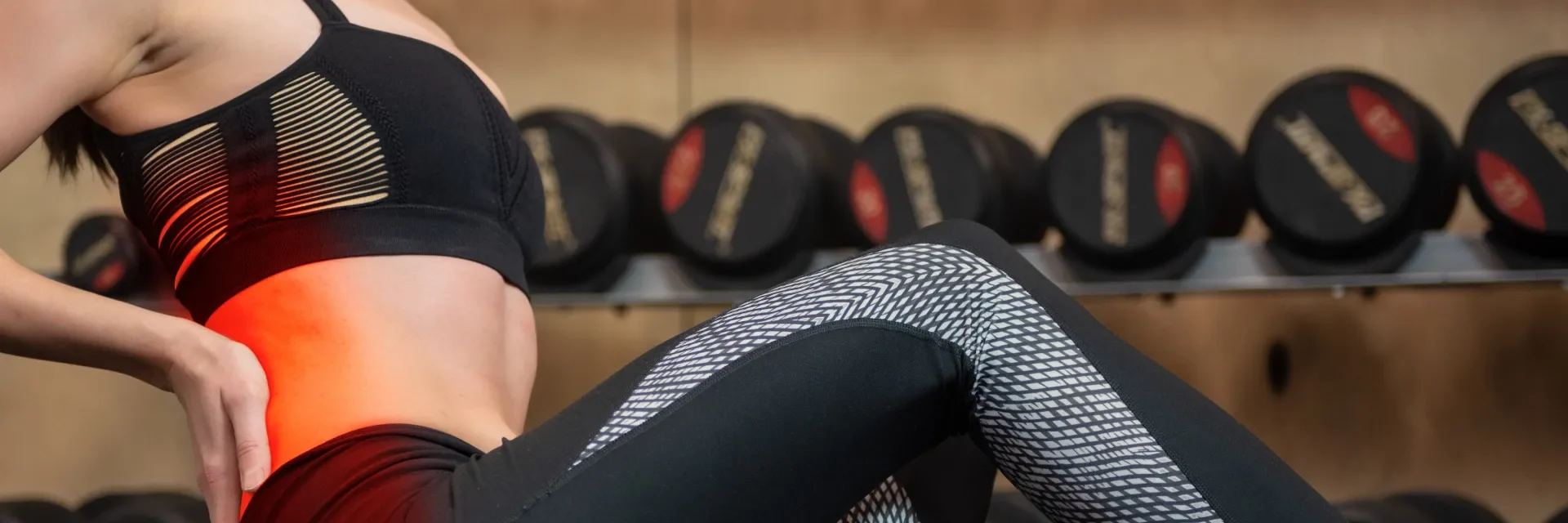
Feeling sore after exercise is common, especially if you have tried something new or increased the intensity of your usual routine. That kind of discomfort will often settle as your muscles recover. Pain that is sharp, keeps getting worse or does not ease in the way you would expect is different and can sometimes point to an injury rather than normal post-workout soreness.
This blog looks at the signs that help separate ordinary muscle soreness from pain that may need more attention. We’ll also cover what to look out for after training and when it may be sensible to get the problem checked.
Signs Your Pain May Not Be Normal
Some aches after training are part of normal recovery, but the way the pain behaves can give you a clue that something else may be going on. A sharp pain that appears during a movement, discomfort that gets worse as you carry on, or obvious swelling around a joint or muscle is different from the usual soreness you might expect after a hard session.
It is also worth noticing whether the area is moving normally afterwards. If you are still stiff, struggling to move comfortably or the pain is hanging around well beyond the first few days, it may need more attention. The same applies if the problem is starting to interfere with training, walking, lifting or other everyday movements. At that point, getting it assessed can help work out what is causing the pain and whether you need to change how you are training while it settles.
Common Workout Injuries
Some injuries appear more often than others with regular training. Muscle strains are a common example, particularly after a sudden increase in weight, intensity or volume. The shoulders, knees and lower back can also become irritated when the same movements are repeated often, when recovery is limited, or when the body is being asked to cope with more than it is used to.
Lower back pain can sometimes show up after activities like heavy lifting, repeated bending or a sudden change in how much you are training. Shoulder problems are also fairly common, particularly with pressing or overhead exercises. Tendons can become irritated too, especially if you have increased the weight, number of sessions or amount of exercise quite quickly.
How to Reduce Your Risk of Injury
There are a few simple things that can help lower your risk of injury when exercising, such as building things up gradually, giving your body time to recover and making sure you warm up before harder sessions. Rest and sleep are important too, especially if you are training regularly, and stretching can sometimes help if certain areas are feeling tight.
That said, everyone is different, and what works well for one person may not be right for another. If you are unsure about your training, technique or how quickly to progress, it is always a good idea to speak to a qualified personal trainer or another appropriate professional who can give you advice based on your individual needs.
How Lichfield Chiropractic Clinic Can Help
Pain that persists after training, or comes back anytime you do the same exercise again, is worth getting checked. A chiropractic assessment can look at the movement of the area in question, what seems to aggravate it and whether the muscles or joints around it might be involved. Looking at those things together can give a better idea of why the area is becoming uncomfortable and whether your training is playing a part.