13 July 2026
Football is a brilliant way to stay active. It gets your heart rate up, keeps you moving and, let’s be honest, there are few things more enjoyable than a good kickabout with friends or a weekend match. But football can also ask a lot of the body.
Sprinting, twisting, tackling, jumping, landing and sudden changes of direction can all put strain through the back, hips and knees. It is one of the reasons professional footballers take their physical health so seriously, with many Premier League teams now linked with chiropractors or osteopaths as part of the wider support around player performance and recovery.
Of course, you do not have to be playing at that level to feel the effects. Whether it is five-a-side after work or coaching the kids, those little aches and pains can soon start to show up if your body is not moving as well as it should.
How Football Can Affect Your Back
Twisting, Turning and Sudden Changes of Direction
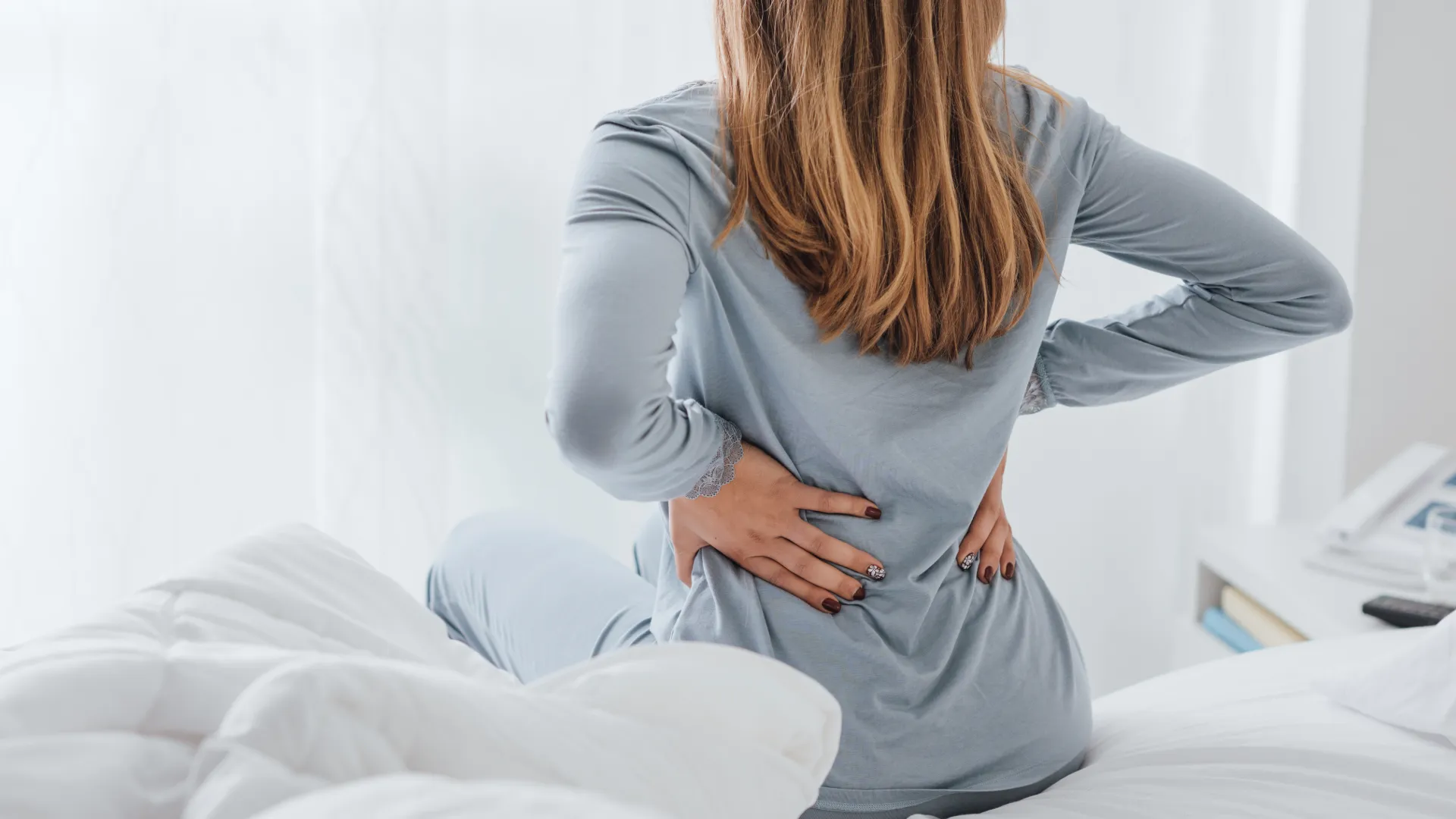
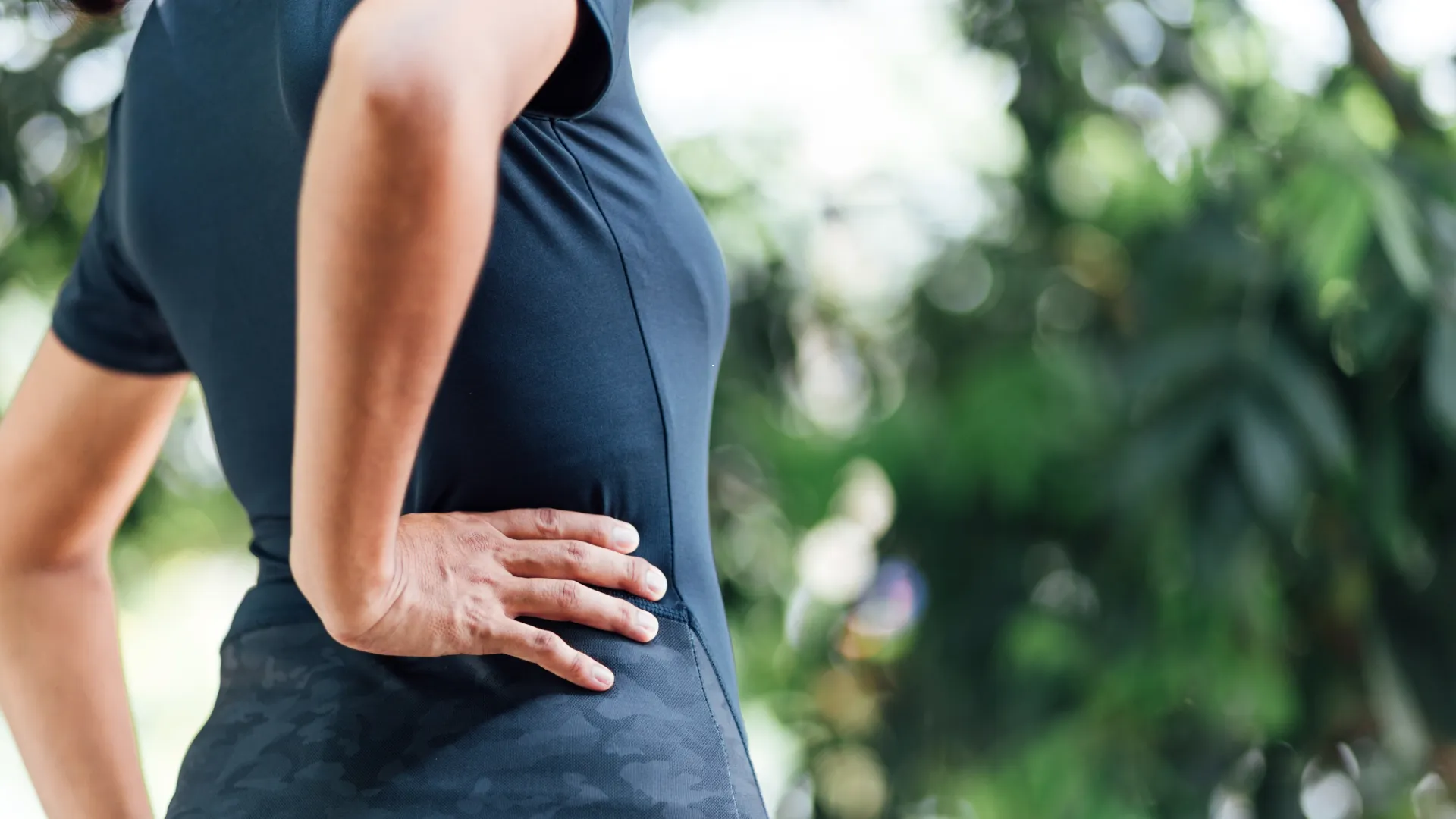
Your back does a lot more during football than you might think. Every quick turn, sudden stop, pass, shot and change of direction asks the spine, hips and surrounding muscles to work together at speed. Most of the time, the body can handle this well. But if one area is tired or already under strain, those repeated twisting movements can start to irritate the back.
This is often where players notice that familiar ache after a match, especially in the lower back or across one side. It might come on after chasing a ball, twisting to avoid a tackle, stretching for a pass, or landing slightly awkwardly. Other times, it can be caused by the build-up of lots of small movements over a game, particularly if you have gone into it without much warm-up, played on a harder surface, or returned to football after a few weeks off.
Falls, Tackles and Awkward Landings
Not every football-related back problem builds up slowly. Sometimes it is much more obvious, such as a heavy tackle, a slip on wet grass, landing awkwardly after a header, or falling onto your side. All of these can jar the back and leave the surrounding muscles feeling sore and protective.
It is quite common for the pain to feel worse later on, once the body has cooled down. If the pain is sharp, severe, spreading, or not settling after a few days, it is sensible to get it checked rather than assuming it will just disappear.
Tightness After Playing or Training
Back tightness after football is often the body’s way of telling you it has worked hard. During a match or training session, the back helps with balance, twisting, sprinting, kicking and staying strong through contact. Even if you do not feel pain while you are playing, the muscles around the spine can tighten once you stop and cool down.
This can feel like a heavy ache across the lower back, stiffness when you stand up after sitting, or that uncomfortable feeling where you need to stretch but nothing quite seems to loosen it.
A bit of short-term tightness can be normal after exercise, especially if you have pushed yourself. But if it keeps happening after every session, takes longer to ease, or starts affecting how freely you move, it may be worth looking at whether the back, hips and surrounding muscles are coping as well as they should.
Why Hip Pain Can Build Up in Footballers
Kicking, Sprinting and Repeated Hip Movement
The hips do a huge amount of work during football. Every sprint, tackle, change of direction and strike of the ball relies on the hips moving well and producing power quickly. Kicking in particular asks a lot of the muscles around the front, side and back of the hip, especially when you are doing it repeatedly through training or a match.
Hip pain does not always start with one obvious injury. For many players, it builds up over time. A few extra games, harder training, less recovery, or playing when the muscles are already tired can leave your hips feeling tight and irritated. You might notice discomfort at the front of the hip when sprinting, a pulling feeling when striking the ball, or stiffness around the hip and pelvis after you have cooled down.
It can also become more noticeable if one side is doing more work than the other. For example, your kicking leg may be working hard for power, while your standing leg has to keep you balanced and stable. If the hips are stiff, weak or overloaded, that strain can start to show up not just in the hip itself, but sometimes through the lower back, groin or knees as well.
Groin Strain and Hip Flexor Tightness
Groin strain and hip flexor tightness are both common problems for footballers, mainly because the sport involves so much sprinting, kicking and sudden change of pace. The hip flexors sit at the front of the hip and work hard when you drive the leg forwards, accelerate, strike the ball or lift the knee. The groin muscles help control the leg when you move side to side, turn quickly or stretch for a tackle.
The problem is that once the hip flexors or groin becomes tight or sore, the way you move can start to change. You may not notice it straight away, but the lower back, pelvis and even the knee can end up taking more of the strain.
This is why a small niggle at the front of the hip or inside of the thigh is worth paying attention to. It may settle with rest and sensible movement, but if it keeps coming back every time you play, it is usually a sign that the area is not coping as well as it should.
Why Knees Often Take the Strain
Stopping, Turning and Pivoting
The knees take a lot of pressure in football, especially when you are stopping suddenly, turning quickly or pivoting to move in a different direction. These movements are a big part of the game and subsequently demand that the knees stay stable while the rest of the body is moving at speed.
For some people, this shows up as aching around the front of the knee after playing. Others may feel discomfort on one side of the knee, stiffness after cooling down, or pain when walking downstairs the next day. It does not always mean there is a serious injury, but if the same pain keeps appearing after football, it is usually worth paying attention to rather than playing through it every week.
Repeated Impact from Running and Jumping
Football puts repeated impact on the knees from start to finish. Running, jumping for headers, landing, sprinting and changing pace all send force through the legs, and the knees play a big part in absorbing that load.
For most players, this is not a problem in small amounts. The issue usually comes when the body has not had enough time to recover, or when the knees are already dealing with tight hips, weak glutes, stiff ankles or tired muscles. That extra load can start to show up as aching around the front of the knee, soreness after a match, or stiffness the next morning.
It can be more noticeable on hard pitches, artificial surfaces, or during busy periods where someone is playing more often than usual. A bit of post-match soreness can happen, but knee pain that keeps returning after football should not just be brushed off as “part of the game”. It may be a sign that the knee is taking more impact than it is coping with comfortably.
How Chiropractic Care Can Help Football-Related Aches and Pains
Here at Lichfield Chiropractic Clinic, the first step is always an investigation to understand what has actually happened. Did the pain start after a tackle or awkward landing? Has it built up over a few weeks? Is it worse after sprinting, striking the ball, sitting down after a match, or walking downstairs the next morning?
Once the likely cause has been assessed, treatment can be tailored to the person, specifically targeting the root cause. That may include hands-on care to help improve movement through the spine, pelvis or surrounding joints, along with advice on stretches and strengthening exercises.
The aim is not just to get through the next game. It is to help the body move better, recover properly and give you a clearer idea of what is going on, so you can return to football sensibly rather than guessing your way through it.